
Breathing for anxiety: How to settle your nervous system
Learn three simple, effective breathing techniques to help soothe your fight-or-flight response and support a calmer baseline.
Clinically reviewed: 6 June 2026
Breathing exercises (or “breathwork”) have become a popular way to manage stress, physical discomfort, and sleep issues. During clinical hypnotherapy sessions, I teach clients that the breath is like a “remote control” for the nervous system. By consciously changing how you breathe, you can physically signal to your body that it is safe to relax.
How does breathwork work?
When you feel anxious, your body’s “fight-or-flight” response takes over. Your breathing naturally becomes quick and shallow. While this response is helpful if you’re running from physical danger, it is incredibly unhelpful when you are sitting in a work meeting or preparing for a social event.
By consciously slowing your breath, you can:
- Shift your focus: Concentrating on the physical sensation of your breath gently pulls your attention away from racing thoughts.
- Soothe the stress response: A long, slow exhale helps trigger your parasympathetic nervous system (the “rest and digest” mode).
- Regain clarity: When your body is physically settled, the logical part of your brain can come back online, allowing you to think more clearly and objectively.
Safety Note: If you have a respiratory condition, please consult your doctor before changing your breathing patterns.
3 simple breathing techniques for calm
1. The 4-6 breath (subtle and effective)
This is a fan-favourite because you can do it during a conversation, in a meeting, or on a train without anyone noticing.
- Inhale quietly through your nose for a count of 4.
- Exhale slowly through your nose or mouth for a count of 6.
- Repeat for 2–3 minutes until you feel your heart rate begin to settle.
2. Diaphragmatic breathing (belly breathing)
Most of us unconsciously breathe from our upper chest when we are stressed. This technique draws the breath deep into the body.
- Why it works: This combines deep oxygenation with “soothing touch,” which can help naturally lower stress hormones like cortisol.
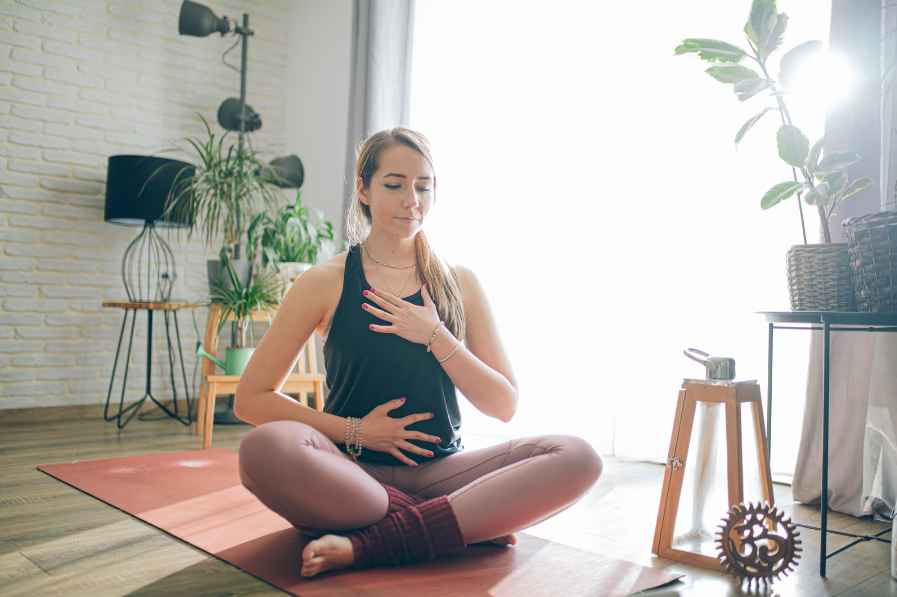
- Set up: Place one hand on your chest and the other on your belly.
- The inhale: Breathe in slowly through your nose. Try to make the hand on your belly rise, while the hand on your chest stays relatively still.
- The exhale: Breathe out slowly through pursed lips (as if you are gently blowing through a straw).
3. Alternate nostril breathing (the “system reset”)
Common in Yoga traditions (Nadi Shodhana), this technique is excellent for focusing your mind and feeling more grounded in your body.
- Set up: Use the pointer finger or thumb of your dominant hand.
- The steps:
- Gently close your right nostril with your finger. Inhale through the left.
- Pause, then switch: Close your left nostril and exhale through the right.
- Inhale through that same right nostril.
- Pause, then switch: Close the right and exhale through the left.
- Hot tip: Only switch your finger after you inhale.
Looking for more support?
While breathing is a powerful physical tool, you don't have to manage constant worry alone. Discover how updating your automatic responses can help you find more clarity and calm.
Read about my approach to hypnotherapy for general anxiety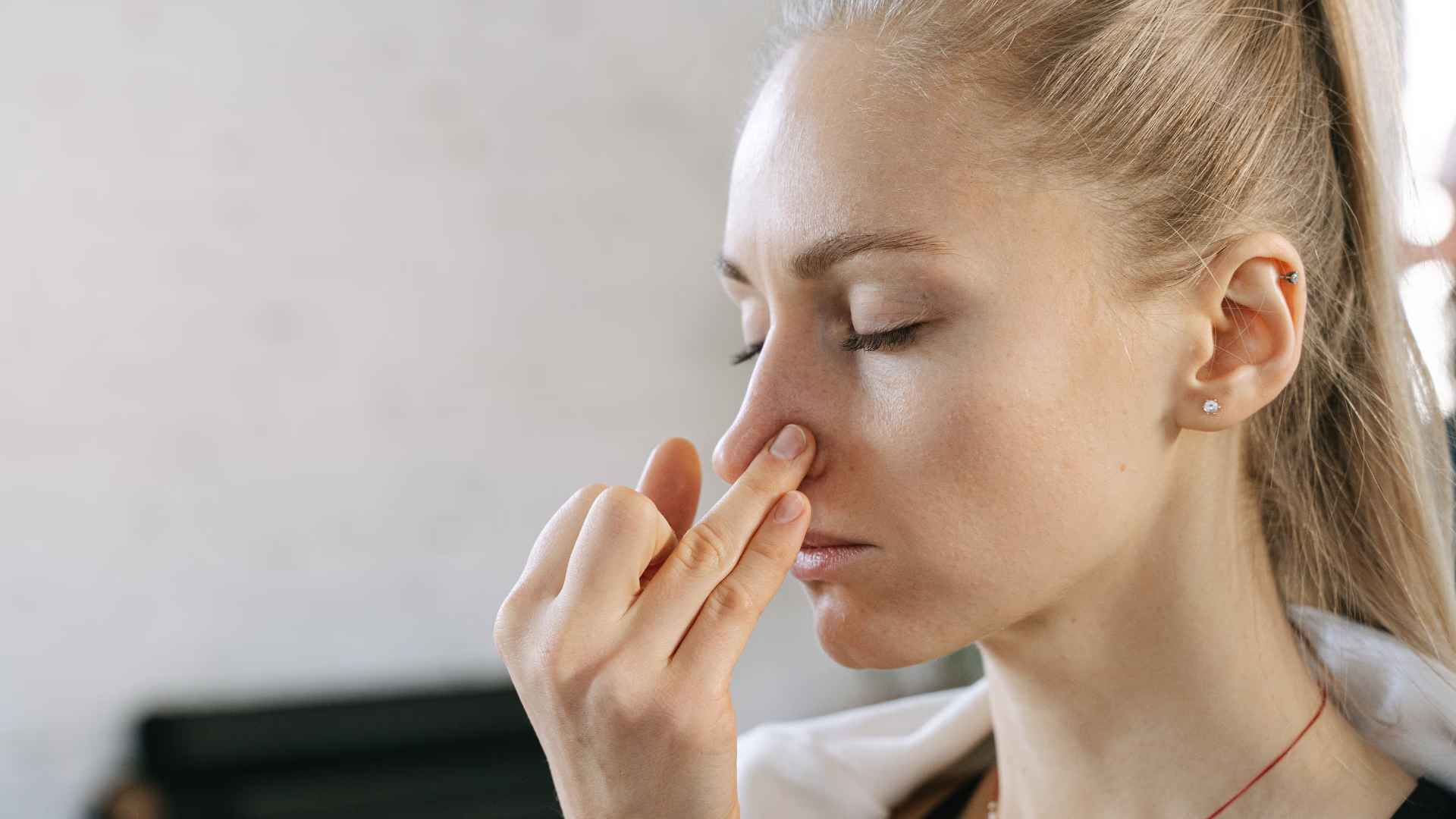
Why practice matters (a personal note)
For a long time, I researched techniques to manage anxiety. But when anxiety actually hit me, I couldn’t remember a single one.
Anxiety can rob us of our “working memory.” If you don’t practise these tools when you are feeling calm, they likely won’t be there for you when you are highly stressed. Try to spend just five minutes a day practising these rhythms at your desk, in the car, or while waiting in a queue.
Help your “future self”
Do yourself a favour and make these tools easy for your mind to find:
- Phone notes: Keep the basic steps saved in your phone’s “Notes” app.
- Visual reminders: Put a small sticky note on your bathroom mirror or your car dashboard.
- The mantra: If you forget everything else in a moment of stress, just remember to breathe low into the belly and slow down the out breath: “Slow and low.”
Going beyond the breath
Breathing techniques are a vital part of the puzzle for managing in-the-moment symptoms. However, if you are finding that your anxiety is constant or overwhelming, clinical hypnotherapy aims to safely update the subconscious patterns driving the anxiety in the first place.
If you’d like to explore how this works, feel free to request a brief phone call to discuss your specific goals.

Take the first step toward more clarity, confidence and calm
Request a brief initial phone call with Frankie to find out if hypnotherapy may be helpful for your specific goals or challenges.
Request a phone call
Obligation-free100% confidential